
RFID Inventory Readiness Assessment
Site walk, process review, test-tag strategy, count workflow recommendation, and ROI framing.
RFID-assisted inventory counts for warehouses that still rely on manual box counts, aisle searches, and spreadsheet reconciliation.
Built for warehouses, manufacturers, and storage-heavy operations around Indianapolis.

The offer stack follows the business plan: paid readiness work, a tag-and-count launch, recurring managed count support, then phase-two visibility or integration once the process is stable.
Site walk, process review, test-tag strategy, count workflow recommendation, and ROI framing.
Tag deployment, handheld or cart-based scan workflow, first cycle count, and lender-ready / management-ready reporting format.
Monthly or quarterly count support, exception handling, and an archive of count history that teams can actually use.
Fixed reader zones, dashboard tiles, event rules, and alerts where live visibility makes operational sense.
Expose shipment or WIP status through a portal or integration after the operational workflow is trusted.
Start with the inventory event that already hurts: boxed product, staged pallets, containers, WIP, or dock movement. RFID gives the team a faster way to collect evidence and a better way to see where product is located.
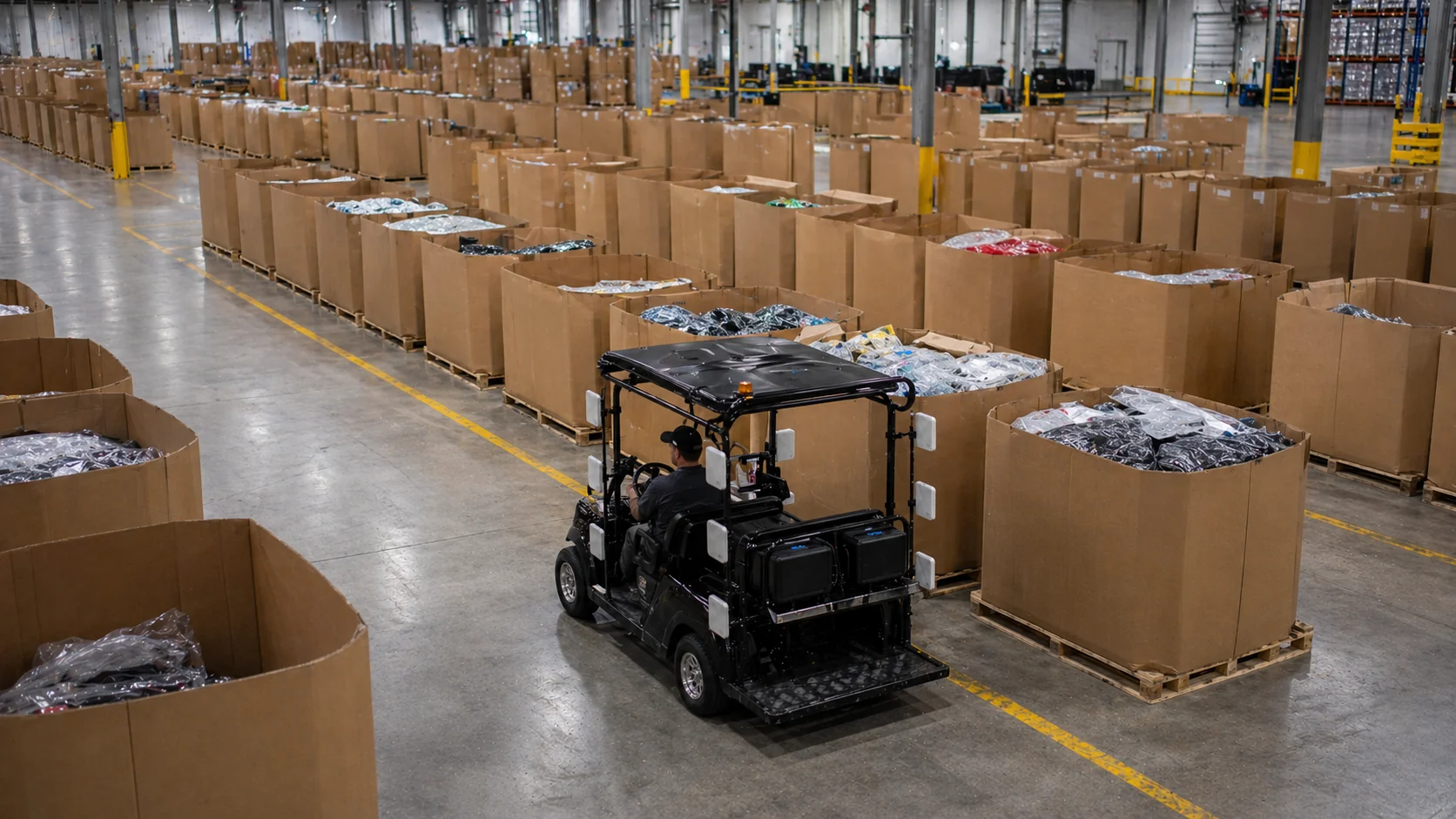
Focus the first pilot on the inventory family where hand counts, recounts, and exception chasing are costing the most time.
Use the scan workflow to narrow search areas, flag exceptions, and make inventory location easier to defend.
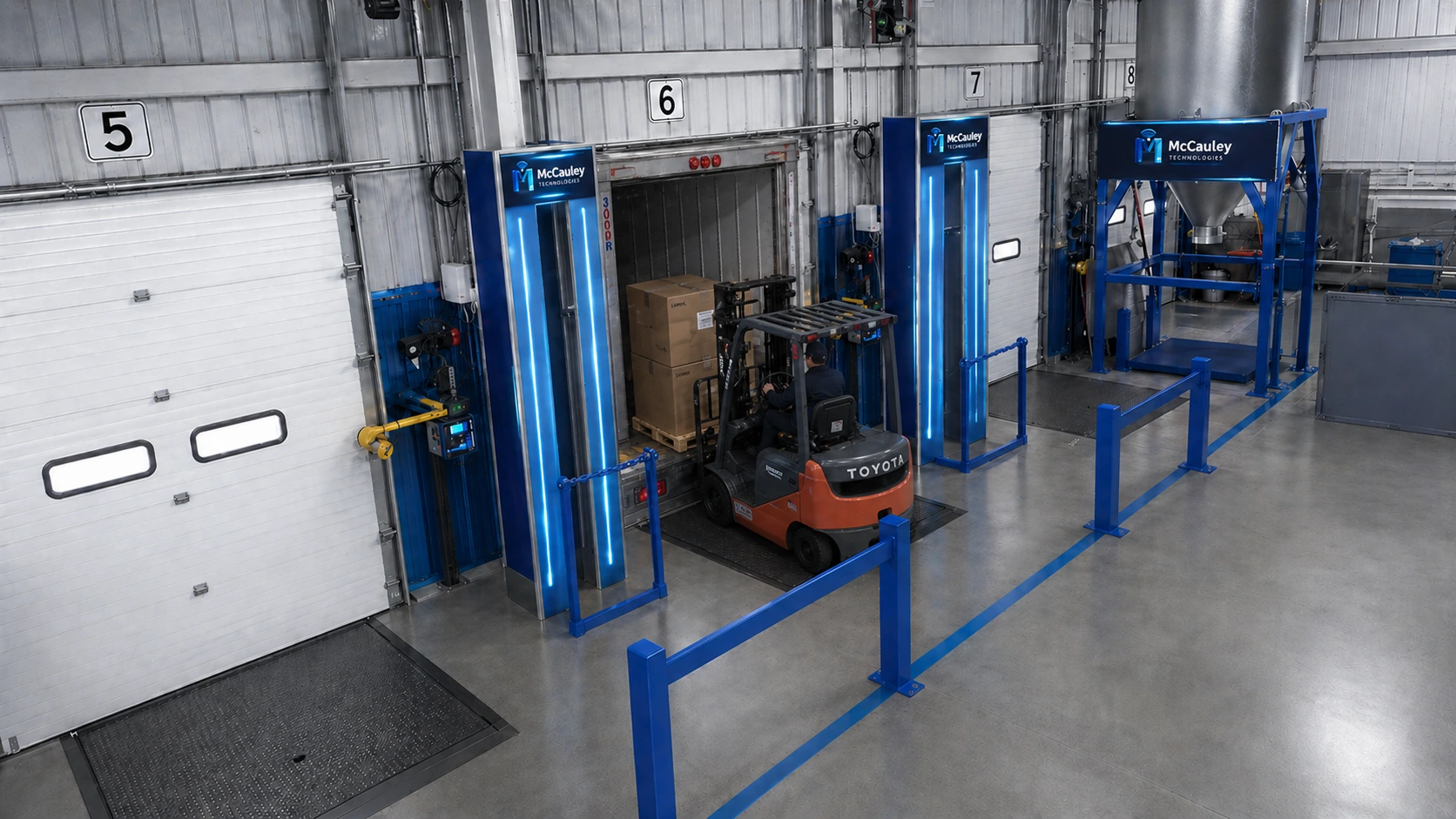
Dock doors, staging lanes, and WIP checkpoints become the natural expansion after the count workflow is trusted.
The best first project is not abstract. It is the inventory event or product family where people are already losing time, confidence, and clean answers.
Reduce the box-by-box scramble and preserve better count evidence.
Give recurring counts a repeatable workflow and cleaner exception list.
Answer location and status questions with more confidence.
Know what is sitting in staging before it becomes a dock problem.
Find in-process material without turning the floor into a search party.
The first commercial push is not "everyone with a warehouse." It is storage-heavy, error-sensitive operations across the Indianapolis region where count defensibility, WIP control, and visibility matter now.
Faster counts, fewer misplaced items, cleaner customer status, and better dock accountability.
WIP visibility, container tracking, less manual searching, and better cycle-count discipline.
Serialized or containerized visibility, audit logs, and cleaner chain-of-custody evidence.
Box, lot, and container traceability with inventory counts and operational reporting that fit the floor.
Recurring count accuracy and better shipment confidence where manual methods still dominate.
The site stays out of vague "end-to-end platform" language on purpose. The pilot path is practical: one workflow, one tagged area, one reporting format, then expand into recurring support, fixed readers, or integrations.
Map the process, identify tagged assets, test the workflow, and define what success looks like.
Choose tags, configure handheld or cart-based scanning, and lock the count routine.
Run the first cycle count, reconcile exceptions, and deliver the reporting package.
Add managed counts, fixed readers, customer status, or integration after the result is trusted.
Fewer manual searches, fewer count headaches, and better dock or WIP control.
Cleaner inventory support, stronger audit confidence, and less time burned on reconciliation.
Better location certainty for staged or in-process material without a giant software detour.
Clearer answers when customers ask where product is, without turning the project into a six-month science experiment.
No. The recommended starting point is often handheld or cart-based scanning so the count workflow is proven before you expand into live reader zones.
Yes. The commercial model is built around the first success, not the full dream. One tagged area or one count-ready process is often the right opening scope.
Boxes, pallets, storage containers, WIP units, and other inventory-bearing assets can all be candidates, subject to the site walk and tag test strategy.
No. The front-door offer is workflow, tagging, scanning, reporting, and optional visibility. Integration is phase two when it creates clear value.
Yes. The launch offer is designed around management-ready and finance-friendly reporting formats, not just scanner output.
After the physical workflow works. Once count reliability and checkpoint visibility are stable, customer-facing status and system integration become better expansion projects.
Use the form for a readiness assessment, a pilot conversation, or a live visibility expansion. The inquiry goes to sales@mccauleytechnologies.com.
Call: (317) 342-9314